
Info >
What is a Dehumidifier?
Find out what a dehumidifier is, what one does, how one works & discover the different types that are available.
The UK's largest tool hire network

Find out what a dehumidifier is, what one does, how one works & discover the different types that are available.
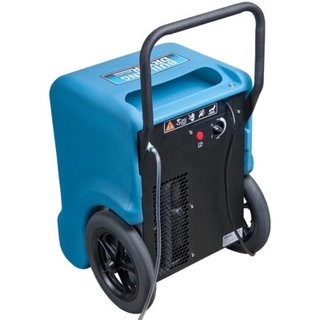
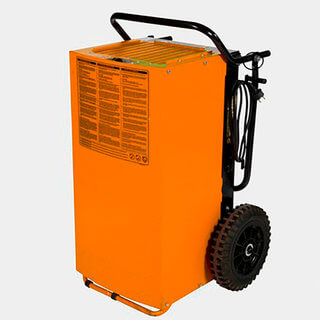
A dehumidifier is an appliance that removes moisture from the air within a space. They can be used in homes, offices, workshops, warehouses, construction sites, emergency sites, and more.
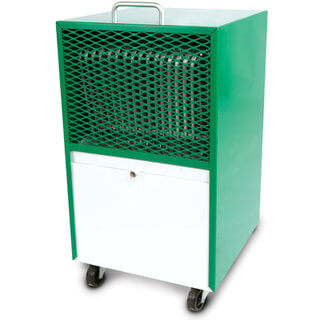
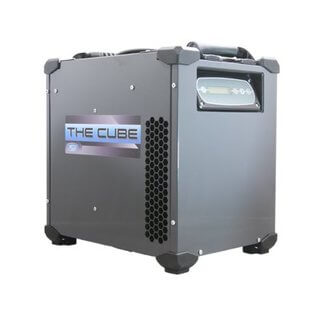
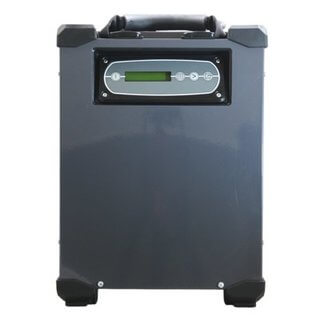
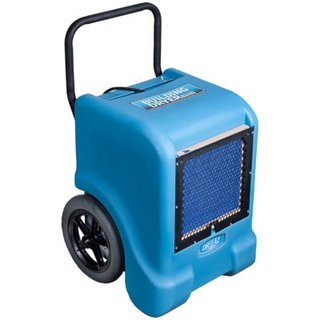
Dehumidifiers have an air inlet, internal fans, a dehumidifying system, a water management component, such as a collection tank, drain output, exhaust point, and an air outlet.
Dehumidifiers come with a range of extraction capacities to suit various locations and for different applications.
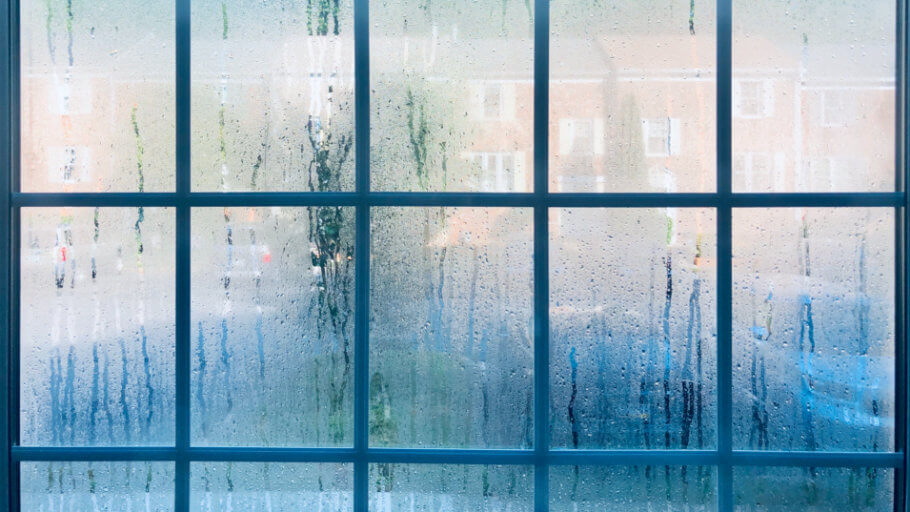
A dehumidifier lowers and controls the level of relative humidity within a space. You can use these machines for various applications, such as preventing the ill effects of too much moisture trapped in a space. Dehumidifiers can prevent condensation and damp in homes and commercial and industrial areas. They can improve the quality of air and alleviate allergy symptoms. Dehumidifiers help to preserve sensitive materials and protect equipment. They can dry out clothes, dry areas after leaks or floods, dry construction work such as wet trades and decorating. They can also dry materials during industrial processes, manufacturing, and food & drink production.
There are 2 main types of dehumidifier - refrigerant and desiccant. Each type uses a different system to separate moisture from the air.
Using a dehumidifier to lower the relative humidity in an area has many benefits. Controlling humidity can prevent condensation, damp, mould growth, and other building blemishes that are signs of moisture damage. Moisture damage in any building can lead to uncomfortable surroundings, bad odours, and actual structural damage. Damage to paints and varnishes, deterioration of adhesives, swelling and warping of building materials like wood, damage to brick and concrete, corrosion of metal building materials, including wiring, can all be devastating to a home or a place of business.
Lowering the relative humidity in areas that contain sensitive materials, such as server rooms, galleries, libraries, museums, and other storage facilities, can be vitally important. The preservation of artwork, documents, and equipment can help to protect valuable and significant items, and prevent disruption to online services.
Dehumidifiers can have health benefits, as high humidity can trigger allergic reactions. Humid areas are playgrounds for dust mites, mould spores, pollen, pet dander, pests, and other allergens. Preventing the growth and circulation of pollutants can alleviate symptoms, such as sneezing, coughing, sore eyes, itchy skin, and more.
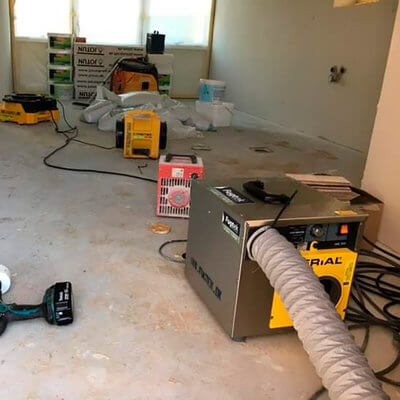
Dehumidifiers can help to dry out damp areas quickly and effectively. Whether a room has suffered from a leak or flood, or you are drying construction work, such as screed, plaster, paint, concrete, wallboard, a dehumidifier can elevate the drying process. You can use a dehumidifier on its own or alongside a heater and fan, allowing you to quickly remediate and dry spaces, stay on schedule, and prevent cracking or distortion.
With over 400 tool hire shops nationwide, National Tool Hire Shops offers DIY and Trade customers a convenient tool hire service, with over 2,000 products available, including dehumidifiers.
Depending on the size of the unit, extraction capacity, and the length of the hire period, you can hire a dehumidifier from as little as £40 per day.
Prices may vary due to location and availability. Check our range below to see what you can book in your area.
If you have long-term concerns and would like to purchase a dehumidifier, Climate Dry and National Heater Shops are drying and climate control specialists, with excellent product ranges.